Quick Answer
Monsoon on Gili Meno is November to April, with the heaviest rain December to February. It rarely rains all day. The pattern is short heavy bursts, often in the afternoon, with sun before and after. Snorkelling visibility is lower but everything else (food, spa, walks, reading) is unaffected. Prices drop. The island is at its quietest. Some guests prefer these months.
What monsoon actually looks like
A common misconception, especially among first-time visitors to Indonesia, is that wet season means all-day grey rain. The reality is much closer to a tropical-summer storm pattern. A typical December day:
- Morning. Often clear and bright. The sky a deep blue. Water calm.
- Mid-morning to lunch. Sun, occasional building cloud. A swim, a walk, a long breakfast.
- Early afternoon. Cloud builds. Sometimes a 30 minute downpour. Sometimes nothing.
- Late afternoon. Sun often returns. The light after a wet-season squall is some of the most beautiful you'll see.
- Evening. Often clear, sometimes a second short burst, occasionally a longer rain stretching into the night.
A genuinely all-day grey day happens maybe two or three times per month even in the worst stretches. Most days the sun does the majority of the talking.
What still works in monsoon
Most of the resort experience is unaffected:
- Both venues. Pomona for dinner, Rosalee for after-dinner drinks. Rain rarely disrupts the evening.
- The spa. In-villa massage is the perfect monsoon afternoon. Genuinely.
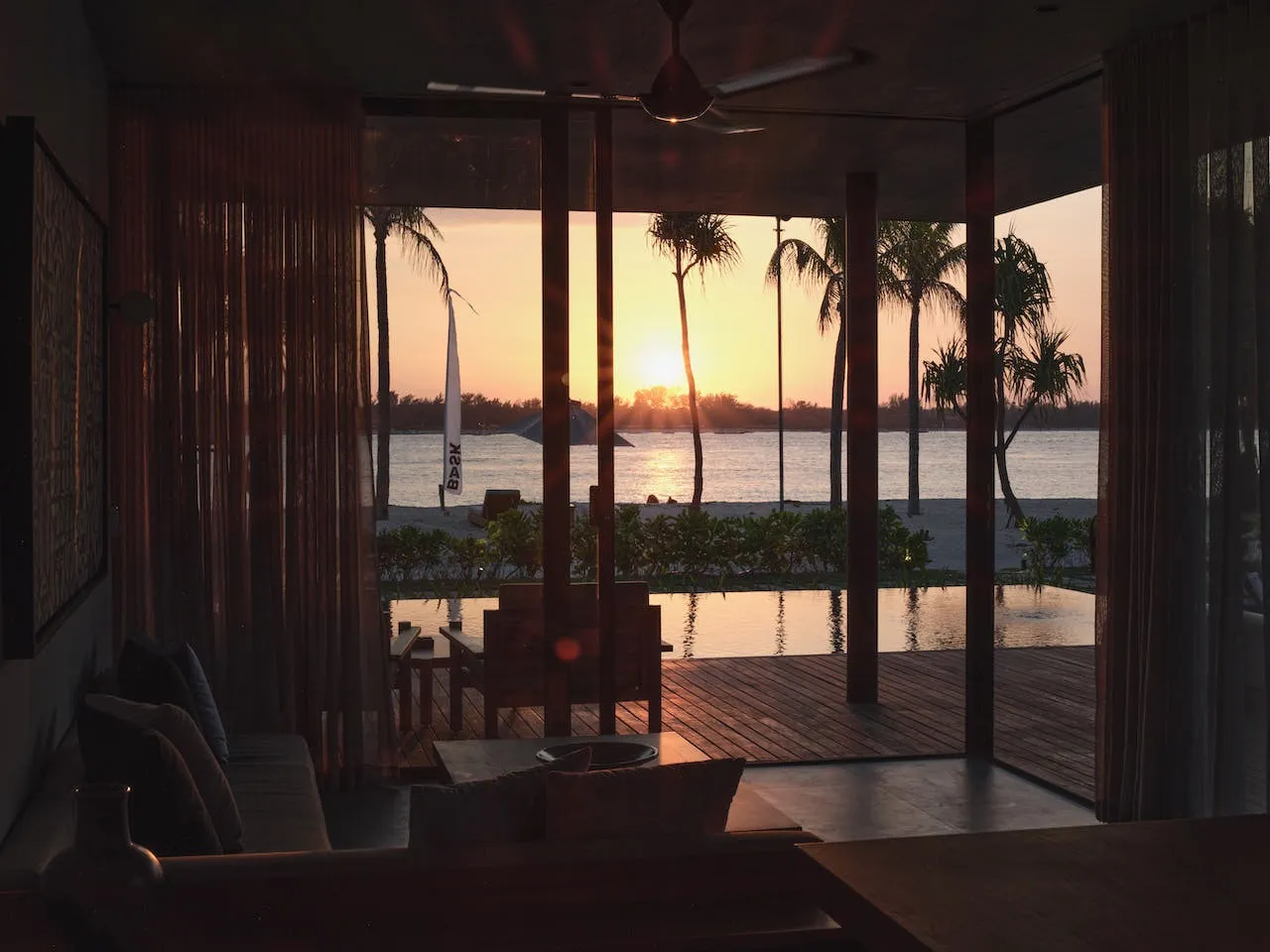
- Reading and slow days. Wet season is the best season for the kind of holiday people pretend they want and then book in July. A villa, a book, the sound of rain on palm leaves. Specific kind of beauty.
- Snorkelling, often. A few hours of clear water most mornings. Visibility lower than dry season but still snorkel-able for casual visits.
- Bike rides. The paths are firm enough through the wet. Just check the sky and ride in the morning.
- Salt lake visit. Quieter, often more bird activity, the green of the trees is at its richest after rain.
- Stargazing on clear nights. Less reliable than dry season but the dramatic clouds break for hours at a time.
What changes meaningfully
A few things to plan around:
Fast boat schedules. Operators sometimes cancel afternoon sailings on rough days. Morning crossings almost always go.
Snorkel visibility. Plankton and runoff drop visibility from 30 metres in dry season to maybe 8 to 15 metres in wet. Still fine for The Nest and for casual snorkelling; a bit harder for serious underwater photography.
Diving. Most operators run year-round but adjust sites to the calmer sheltered coves on wet-season days. Conditions can be excellent in the morning even when the afternoon is unsettled.
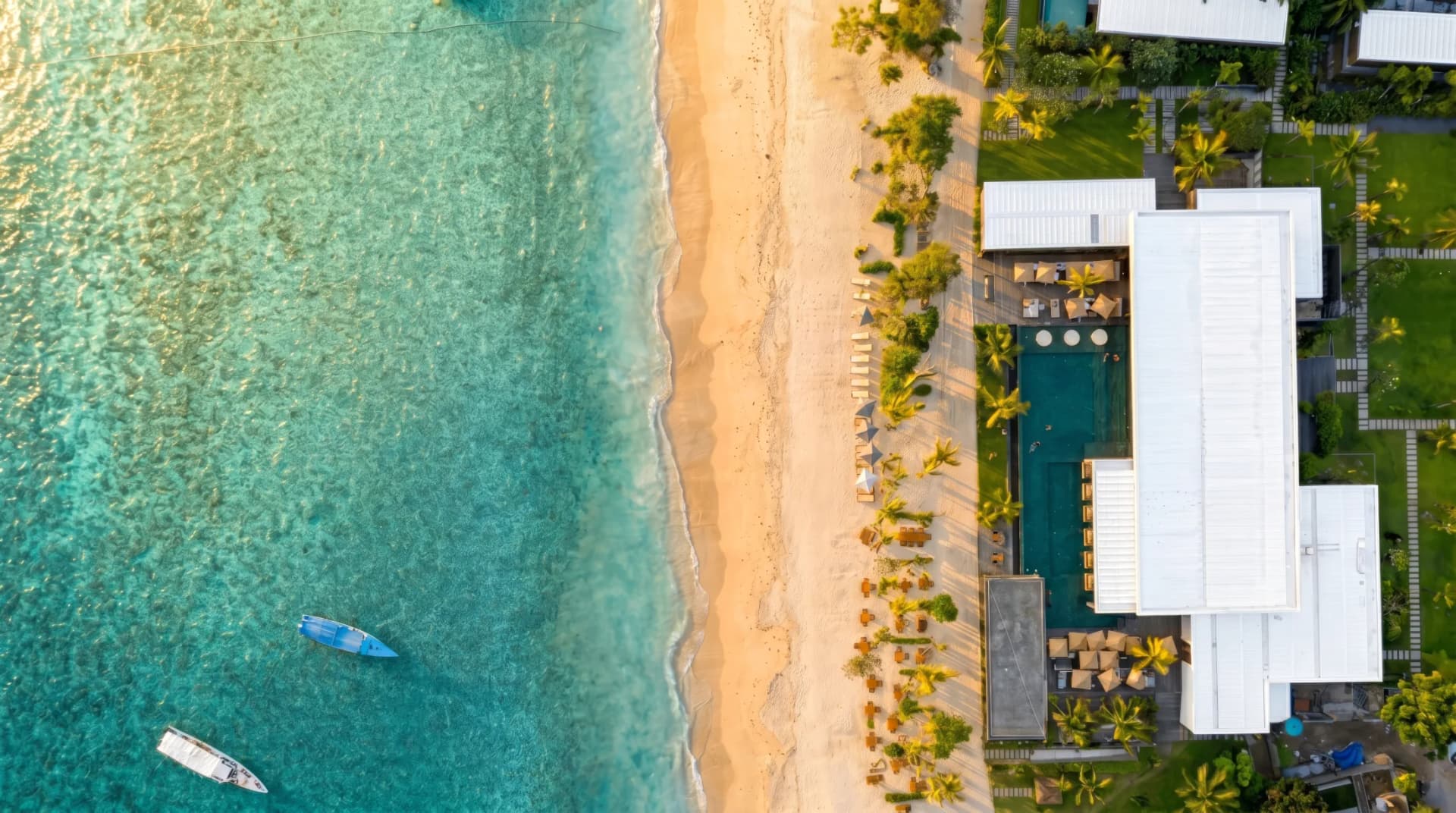
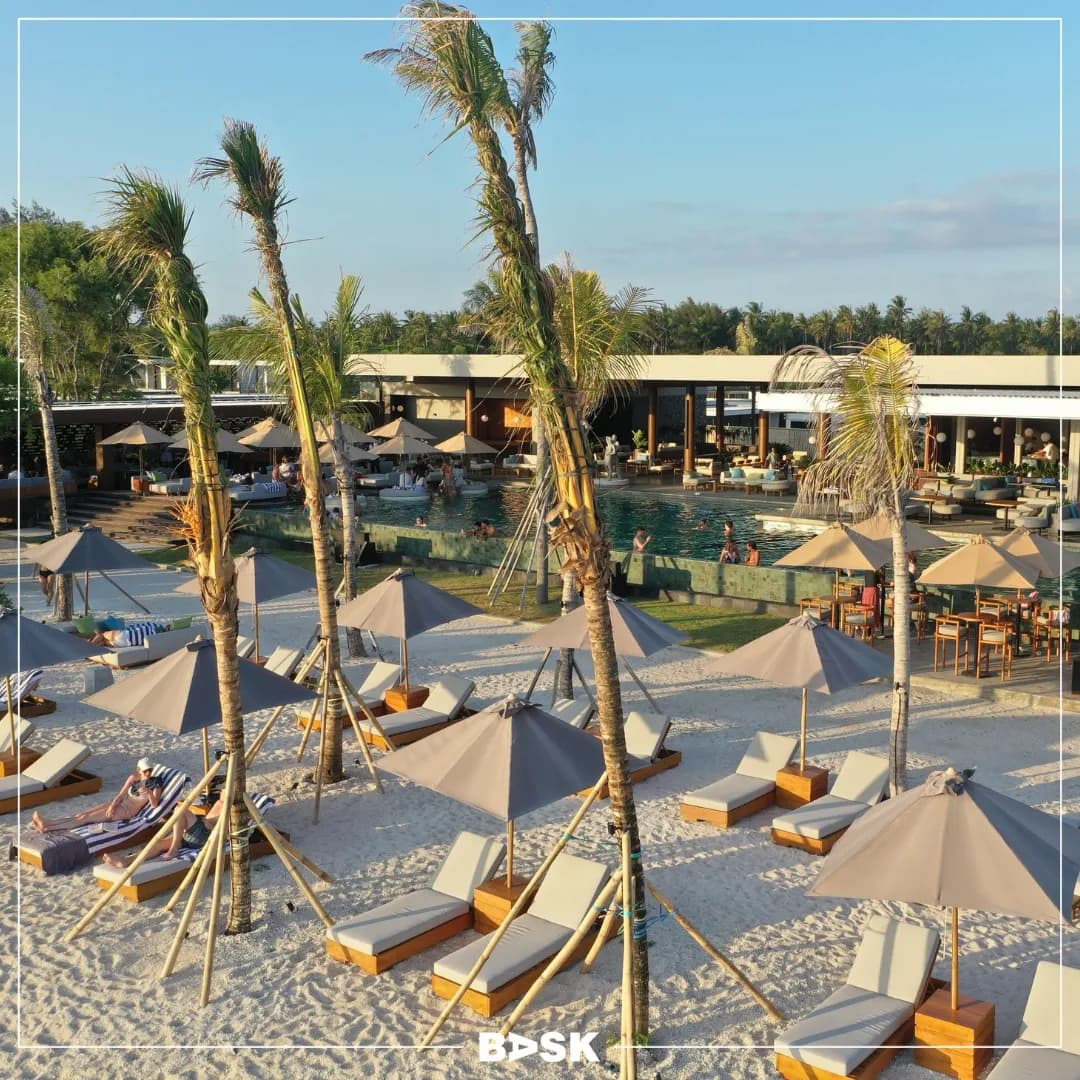
Beach access. Occasional rough surf along certain stretches. The west coast in front of BASK is sheltered and almost always swim-able.
Sandflies and mosquitoes. Slightly more active in the wet. Repellent at dusk is wise.
Why some guests prefer it
A few reasons, in honest order:
Quiet. The island is much less busy than in dry season. The beaches are empty. The restaurants seat you anywhere.
Price. Room rates are meaningfully lower in the wet months. For honeymoons or longer stays, the saving is real.
Dramatic light. Wet-season skies are visually richer than dry-season ones. Storm cells building over Bali at sunset. Pink and grey instead of pink and blue. Photographers love it.
Lush green. The island's trees and gardens are at their most vibrant after the rains. The colour palette shifts.
The sound. Rain on palm leaves at night is one of the best sleep aids ever invented.
A different rhythm. The pace slows further. Long lunches are guaranteed. Naps are sanctioned.
Best months within monsoon
Not all wet-season months are equal. A short ranking:
November. Transition month. First proper rains, often short and dramatic. Water still warm and reasonably clear. Strong shoulder-season pick.
March. The pivot month back to dry. Wet days shorter, blue gaps longer. Visibility improves. Often the smartest single-month pick in the whole wet season.
April. Genuinely good. Dry season is nearly back. Rain still possible but increasingly rare.
December. Two faces. Christmas and New Year are busy and lively despite the wet. Mid-December (after the rush) is quiet and excellent value.
January, February. Wettest of the year. Lowest prices. Most rewarding for guests who want the quietest version of the island.
What to pack differently
A short list:
- A light raincoat or packable umbrella. A thin layer in the villa is enough.
- Footwear that survives wet. Sandals or barefoot shoes. Leather doesn't last.
- A second swimsuit. Drying is slower in the wet.
- Mosquito repellent. DEET-free works.
- A book or two more than you'd usually bring. Wet afternoons are excellent reading time.
What to skip
A few honest opinions:
- A daytrip to all three Gili Islands. Boat hopping in the wet is harder. Pick one island and stay.
- An overly tight itinerary. Plan for flexibility.
- Sandals you'll mourn if they get muddy. Bring practical shoes.
A note on the storms themselves
Tropical storms here are usually unremarkable but occasionally dramatic. A few honest things:
- Lightning at sea is common. Beautiful from a covered terrace. We don't swim during.
- Wind picks up before rain. A genuine warning sign; head for cover if you're on the beach.
- The roads (paths) drain well. The island is sandy; water disappears within an hour of rain stopping.
- Power outages are rare. Brief, occasional, manageable.
Frequently Asked Questions
Is Gili Meno worth visiting in monsoon season?
Yes, with realistic expectations. You'll get short heavy rain bursts, lower snorkel visibility, lower prices, and a quieter island. For guests who want stillness more than peak sun, it's often the best time.
When is the wettest month?
January is typically the wettest, followed closely by February and December. November is wetter than October but milder than the heart of the season.
Will it rain every day?
No. Most wet-season days have several hours of sun. Rain comes in 30 to 90 minute bursts, often in the afternoon.
Is the boat from Bali safe in monsoon?
Yes, in most conditions. Operators cancel sailings when conditions are unsafe. Morning crossings are calmer than afternoon.
Is snorkelling worth it in wet season?
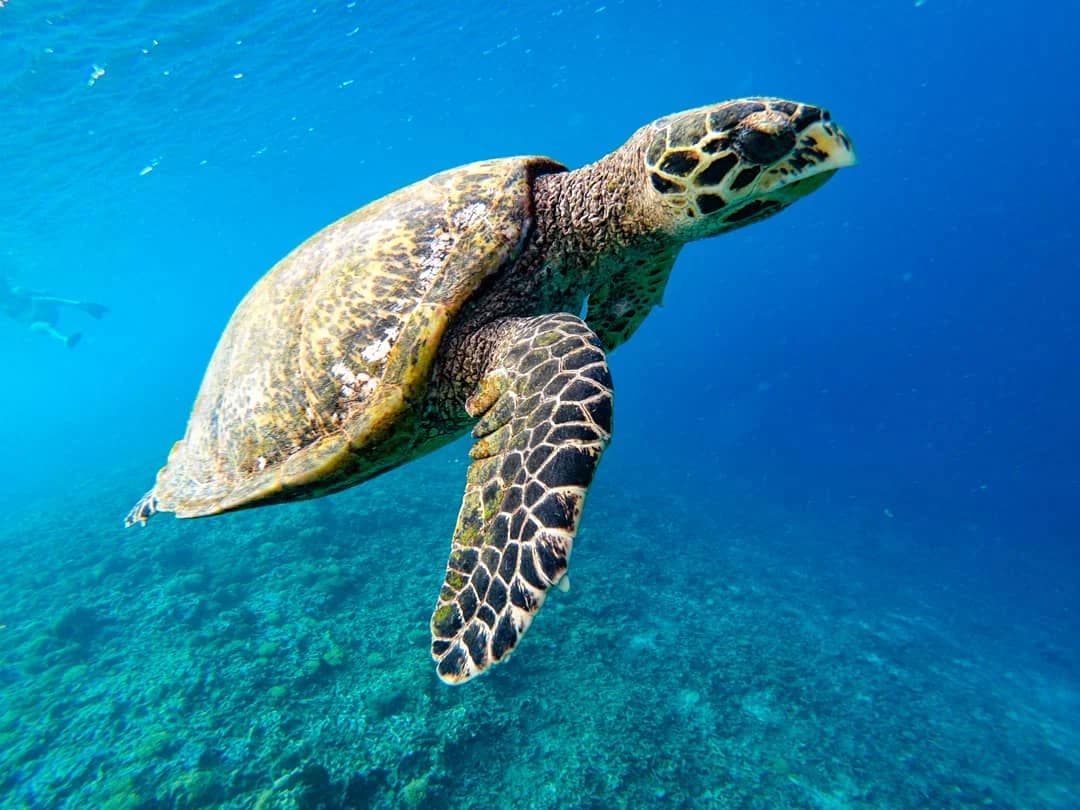
Yes, just less crystal-clear than dry season. Visibility 8 to 15 metres instead of 25 to 30. The Nest, turtles, and reef life are still all there.
Are there fewer mosquitoes in dry season?
Yes, somewhat. Wet season has more, especially at dusk. A good repellent solves it — bring one you like or pick up a local brand on arrival.
Are rooms cheaper in monsoon?
Yes, meaningfully. The savings on a wet-season stay compared to peak July or August are real.