Quick Answer
Diving from Gili Meno offers some of the calmest, most rewarding diving in the Gili Islands. The local sites include a small wall, the Bounty wreck nearby, several macro-rich coral gardens, and access to the same Trawangan sites without the volume of boats. Visibility 15 to 30 metres May to October, lower in wet season. Suited to open water level and up.
The local sites
A handful of dive sites are reachable from Gili Meno in 5 to 20 minute boat rides. The shortlist:
Meno Wall. A short wall that drops from 5 to 30 metres, just off the south coast. Soft corals, schooling fish, occasional white-tip reef sharks resting on the sand at the base. Drift can be present; check with the boat.
Meno Slope. A gentler reef slope from 10 to 25 metres. Excellent for newer divers and for relaxed deep stays. Turtles common. Coral health is reasonable.
Bounty Wreck. A small wreck north of Gili Meno in around 20 metres. Not a Pacific battleship; a sunken pontoon that has become reef. Penetrable in places, mostly an outside swim. Macro is excellent on the surrounding sand.
Sunset Reef. West of Gili Meno. Soft corals, large schools of fusiliers in the right month, and the rare chance of pelagic visitors.
Hans Reef. Just off Gili Air, accessible by boat. The macro site of the area. Frogfish, nudibranchs, harlequin shrimp on a good day. Slow, careful diving.
What kind of diving this is
A few honest characteristics:
Quiet. Most dives are with only a handful of divers in the water. Trawangan-based dive boats are larger and more frequent; Meno-based operators tend to run smaller groups.
Healthy enough to be interesting. The reefs aren't pristine; they show the marks of warming oceans and historic damage. They are recovering, and the variety of marine life is much higher than the photographs suggest.
Macro-strong. The currents and the seabed types around the islands favour macro life. Patient divers with a good guide come up with a notebook full of species.
Calm conditions most of the year. Big swell is rare. Wet season has occasionally cancelled afternoon dives but morning runs almost always go.
Easy logistics. Boats leave from the harbour. No long drives or shore entries.
Choosing an operator
A few honest filters when picking a dive operator:
- Group size. Six divers per guide is reasonable. Eight is acceptable. Ten or more on a single guide is too many.
- Equipment quality. Regulators serviced within the last 12 months. BCDs that fit. Tanks that aren't ancient. Ask to look.
- Guide experience. Local guides who know the sites well are more useful than rotating expat instructors. A small operator with two or three long-term guides is the sweet spot.
- Briefings. A long, careful briefing means the operator takes diving seriously. A two-minute briefing means they don't.
- Insurance. DAN-affiliated operators carry the right insurance. Ask.
What a typical dive day looks like
A two-tank morning is the most common booking. Expect an early briefing, boat departure around 08:00, two dives with a surface interval in between, and back to shore before lunch. Some operators offer a three-tank option for more advanced divers.
Certification and courses
Available locally on Gili Meno through the operators we use:
Discover Scuba. A half-day intro for non-certified visitors. Pool session, then a shallow first dive. Confidence-building.
Open Water. 3 to 4 days, classroom and ocean sessions. PADI or SSI. The Gili Islands are a popular place to learn because conditions are calm and visibility is forgiving.
Advanced Open Water. 2 days. Builds on Open Water; required for some deeper sites.
Specialty courses. Nitrox, deep, drift, underwater photography. Available on request.
Rescue and Divemaster. For more committed divers. Several local operators run these.
What to bring
Most operators provide rental gear. If you have your own:
- Mask. A well-fitted personal mask is the single best piece of kit to bring.
- Computer. If you have one.
- Wetsuit. The water sits around 27 to 29 degrees Celsius. A 3mm full-length is comfortable for most divers. Some prefer a shorty.
- Reef hook. Useful in the rare drift dive.
- Logbook. If you're a record-keeper.
What you can leave at home: tanks, weights, BCD, regulators. All provided. Fins yes if you have a favourite pair.
Wildlife you might see
A short, honest list:
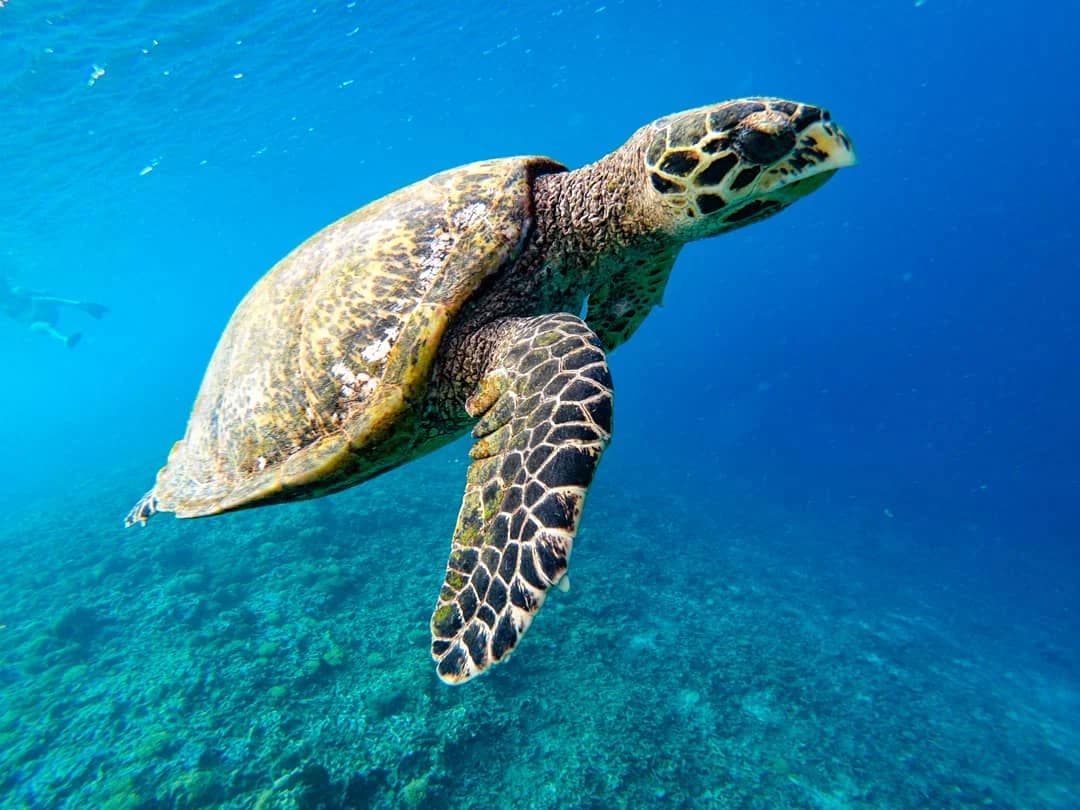
- Green and hawksbill turtles. Common.
- White-tip reef sharks. Resting on sand at the base of walls. Calm encounters.
- Octopus. At dusk dives especially.
- Cuttlefish. Reef edges and over sand.
- Frogfish. With a good macro guide.
- Nudibranchs. Dozens of species. The patient win here.
- Schooling jacks and barracuda. Mid-water on the right days.
- Mola mola. Rare but seen. October to November is the best window if you're trying.
What you won't see often: large pelagic sharks, manta rays. The Gili Islands aren't the right spot for those.
A note on conservation
The sites here are part of an active conservation effort. A few requests:
- No touching anything. Standard, but it bears repeating.
- Buoyancy control matters. New divers who can't hold neutral kick coral by accident. Stay shallow until your control is good.
- No fish feeding. Some operators around the islands still do this; the ones we use don't.
- Pick up rubbish if you see it. Bring it to the surface in a pocket.
Frequently Asked Questions
Is Gili Meno good for diving?
Yes. Quieter than Trawangan, with access to the same regional sites plus a handful of local sites of its own. Macro and turtle diving are particularly strong.
Do I need to be certified to dive here?
Not for an introduction (Discover Scuba). For independent diving, yes. Open Water minimum.
Can I learn to dive on Gili Meno?
Yes. Several operators run PADI and SSI Open Water courses. 3 to 4 days. Calm water and good visibility make it a good place to learn.
How much does a dive cost?
A typical two-tank morning is in line with regional pricing. Multi-day packages reduce the per-dive cost. Ask individual operators for current rates.
What's the best time of year to dive Gili Meno?
May to October for the clearest water and easiest boat conditions. Wet season is still divable but visibility is lower and afternoon boats occasionally cancel.
Can I dive and snorkel in the same trip?
Yes. Many guests dive in the morning and snorkel in the afternoon. The 12-hour rule before flying applies, not before snorkelling.
Are sharks dangerous to divers here?
The white-tip reef sharks we see are not aggressive toward divers. Keep distance, don't reach out, and they ignore you.