Quick Answer
Good underwater photography on Gili Meno is mostly about light, distance, and patience. Morning visibility is highest. The closer you are to your subject, the cleaner the image. A GoPro is enough for most guests; the best gear is the one you'll actually use. Don't chase wildlife. Don't touch coral or statues. Photograph from above, never below.
Why underwater photos look bad
The classic frustration: a snorkel at The Nest, dozens of photos taken, and almost all of them are blue, washed out, and disappointing. The reason is consistent across every camera, from phone to professional rig:
Water absorbs colour. Red and orange wavelengths drop off within the first few metres. By 5 metres deep, most reds are gone. By 10 metres, your photo is largely blue-green regardless of subject colour.
Water scatters light. Particles in the water bounce light back at the camera lens. The further the subject is, the more particles between you and it. This is what creates the haze.
Sunlight from above produces flat top-light. Especially at midday when the sun is overhead. Subjects lose three-dimensional shape.
Auto-white-balance fails underwater. Cameras try to neutralise the blue cast and produce muddy results.
Most of the fix isn't a better camera. It's behaviour.
The five rules that fix 80% of the problem
Get close. Then get closer. The single biggest improvement to any underwater photo is reducing the water between the lens and the subject. A foot from a turtle (without being a nuisance) gives you a vastly better image than three metres away.
Shoot in the morning. Visibility is highest before the wind picks up. Light is angled rather than overhead. Particulate is settled.
Shoot up, not down. Position yourself below or beside your subject and angle the camera slightly upward. The composition is more dynamic, the background includes water surface, and you get more light through.
Use a red filter or set custom white balance. Most GoPros and underwater cases have one. The filter shifts the colour balance to compensate for blue cast. It's not perfect but it's a meaningful improvement.
Wait, don't chase. The best wildlife photographers underwater hover still and let the animal approach. Chasing creates clouds of sand and stressed subjects that don't pose.
Gear, in honest tiers
Phone in a waterproof case. Works for shallow water (less than 2 metres), bright conditions, large subjects close up. Limited for anything deeper.
GoPro Hero (any recent model). The reasonable default. Wide-angle works well for the close-and-wide style underwater photography needs. Add a red filter for anything deeper than 2 metres. A small floating handle prevents the heart-stopping moment when it slips away.
A compact underwater camera. A step up. Better low-light performance, better macro mode for small subjects, more control over exposure.
Mirrorless with underwater housing. Serious gear, several thousand dollars, beautiful results, the right tool for actual underwater photographers. Beyond what most guests need.
What to photograph here
A few subjects that reward the effort:
The Nest statues. The single best subject on Gili Meno. Wide angle, morning light, close to the figures. Photograph the corals colonising them, not just the figures themselves. The detail at close range is the story.
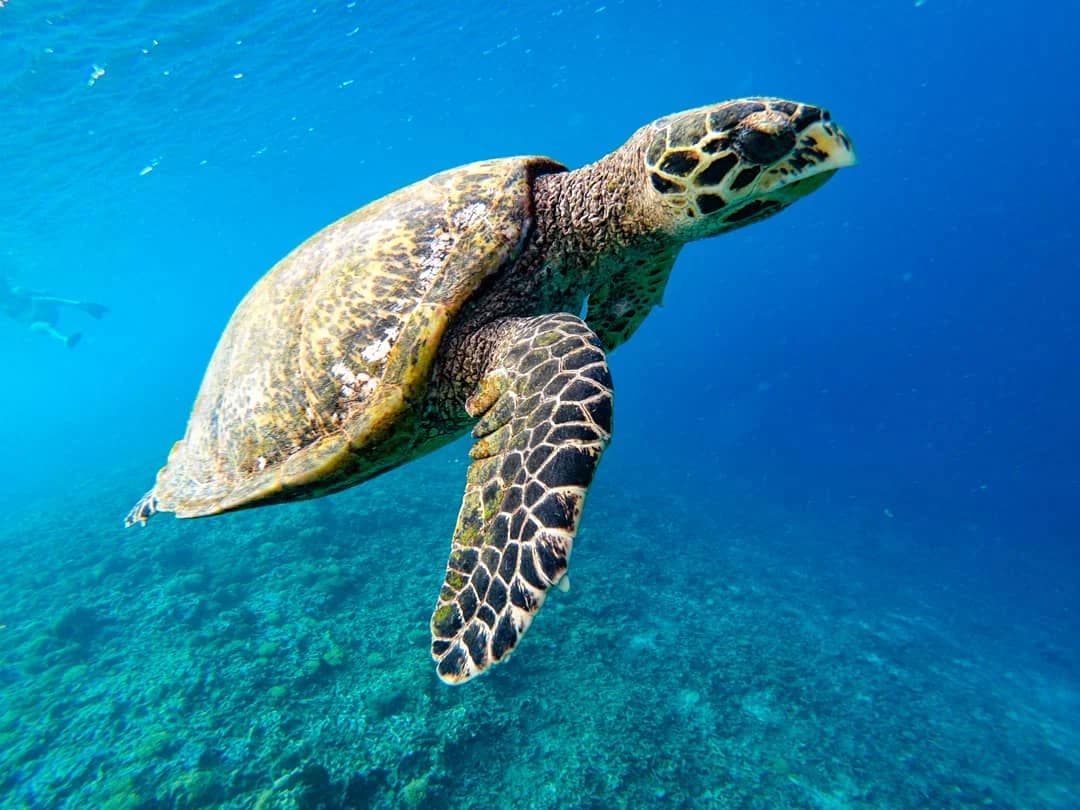
Sea turtles. Stay above and to the side. Match their pace, never chase. The shot of a turtle surfacing for a breath, the surface tension breaking on its shell, is the one you'll want. Patient and respectful.
Reef macro. Nudibranchs, small shrimp, anemonefish. A compact underwater camera or macro lens shines here. Slow, patient work on a single coral head. Hours can disappear without effort.
Schooling fish. Yellow-tail fusiliers, sweetlips, sometimes a wall of jacks. Wide angle, get inside the school if it'll allow it (most will).
Surface light shafts. Sun cutting through water in shafts hitting a sandy bottom or a coral garden. Cinematic.
When to leave the camera in the room
Genuinely:
On your first snorkel of the trip. Be in the water without trying to capture anything. You'll see more. Better photographs the next day.
When wildlife is being approached too closely by other people. Don't be one of them.
When you're shooting and not breathing. The classic snorkeller mistake. Surface, breathe, then go down.
When the camera is causing you to stress about it. A holiday is a holiday.
Etiquette, the non-negotiable list
The shots aren't worth disrespecting the place for. Six rules:
- No touching anything. Ever. Not coral, not statues, not animals.
- No flash on wildlife. Daytime ambient is enough.
- No standing on the bottom. Ever. Even when adjusting your mask.
- No baiting fish for shots. It changes their behaviour.
- Don't block a turtle's path to surface for a breath. They can drown.
- Pick up any rubbish you see while you're down there. Better than the photo.
Editing, briefly
If you'd like the photos to look like the experience felt:
- Use a free editor like Lightroom Mobile or Snapseed.
- First step: adjust white balance. Pull cool tones up (warmer) until the image looks closer to what your eye saw.
- Second step: lift shadows and pull highlights slightly down. Most underwater shots are too contrasty.
- Third step: a small saturation increase. Resist over-doing it. Reality is the goal.
- Crop in. Most underwater shots benefit from cropping the empty water out of the frame.
Skip filters that turn everything teal-and-orange. They reduce the photo to a marketing aesthetic and pull it away from what was actually beautiful.
Pacing a photo day
A loose suggestion:
- 07:30 to 09:30. Best snorkel light. The Nest. Turtles in the seagrass.
- 09:30 to 10:30. Coffee, breakfast, review what you got.
- 10:30 to 12:00. A second water session if the light is still good.
- Afternoon. Editing on your villa terrace. A nap. Maybe one more swim later if the wind has dropped.
Two short focused water sessions are better than five distracted ones.
Frequently Asked Questions
Is a GoPro enough for underwater photography on Gili Meno?
Yes, for 95% of guests. The wide-angle suits the snorkel-from-shore style here. Add a red filter for anything deeper than 2 metres.
What's the best subject to photograph here?
The Nest underwater statues. Then sea turtles in the morning seagrass. Then macro reef detail with patience.
Should I photograph in the morning or afternoon?
Morning. Higher visibility, calmer water, lower angled light.
Do I need to dive for good photos?
No. The Nest and the seagrass are reachable from shore. Excellent snorkel photography is possible without scuba.
Can I use flash underwater?
Most snorkel rigs don't have one. If yours does, please don't fire it at wildlife. Daytime ambient light is plenty.
Are there underwater photography courses on Gili Meno?
A few dive operators offer them on request. A morning session with an instructor will improve your photos faster than reading.
What about drone photography over the water?
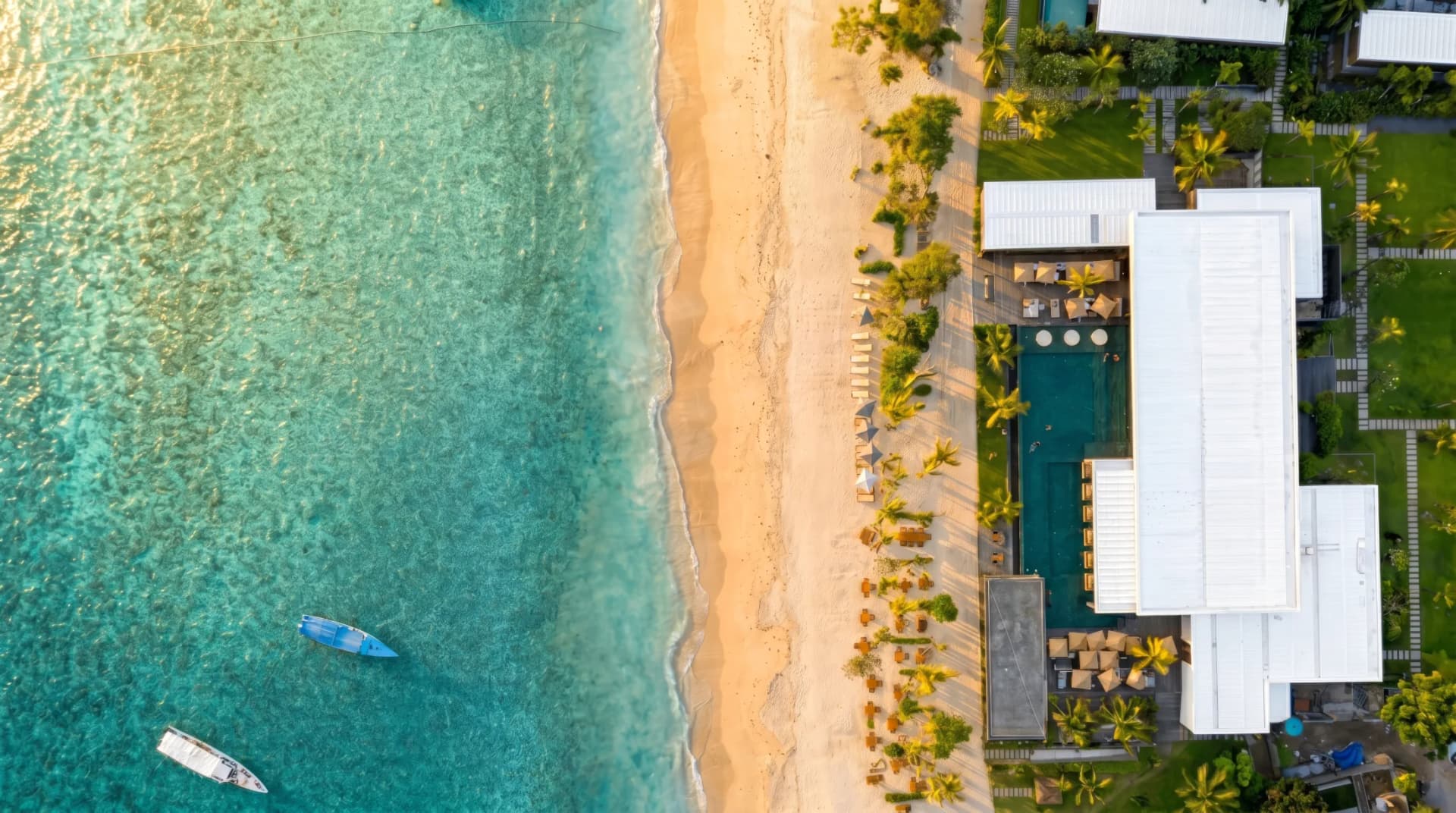
Allowed in most areas, with some sensitive wildlife corridors restricted. Check local regulations before you fly. Don't fly low over swimmers or near nesting birds.